Why You Need a Fall Roof Inspection Before Central Indiana's Fall Chill Hits

The Short Answer: Before freezing temperatures arrive in Central Indiana, a fall roof inspection identifies hidden vulnerabilities like cracked pipe boots, missing shingles, and clogged gutters.
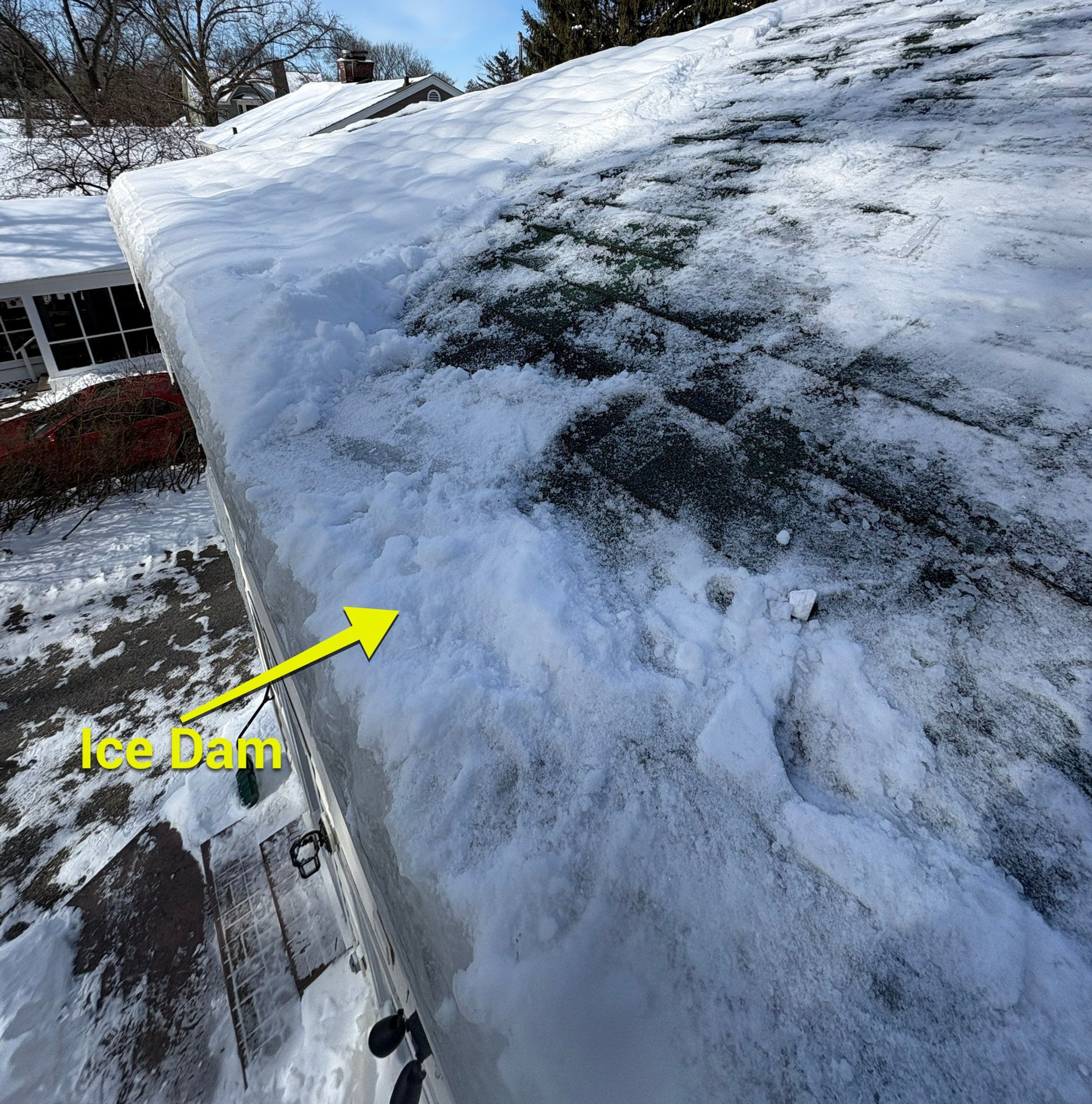
Catching these typical fall issues now prevents minor damage from turning into costly winter ice dams, devastating attic leaks, and emergency structural repairs once the snow starts flying.
Why Autumn is the Most Critical Time for Roof Maintenance
As the leaves turn and temperatures drop across Brownsburg and Greater Indianapolis, your roof is preparing to go to war with ice, snow, and freezing rain. The transition period during autumn is the absolute best time to evaluate your roofing system's health.
Based on RoofCo’s experience in Central Indiana, homes that skip a fall tune-up are significantly more likely to experience emergency leaks in January and February. The brutal freeze-thaw cycle will exploit any existing weakness, turning a tiny crack in your flashing into a major interior leak.
Typical Fall Issues In Central Indiana and Specific Symptoms to Look For
Here are the most common issues our crews find during fall inspections, and the symptoms you can look for from the ground:
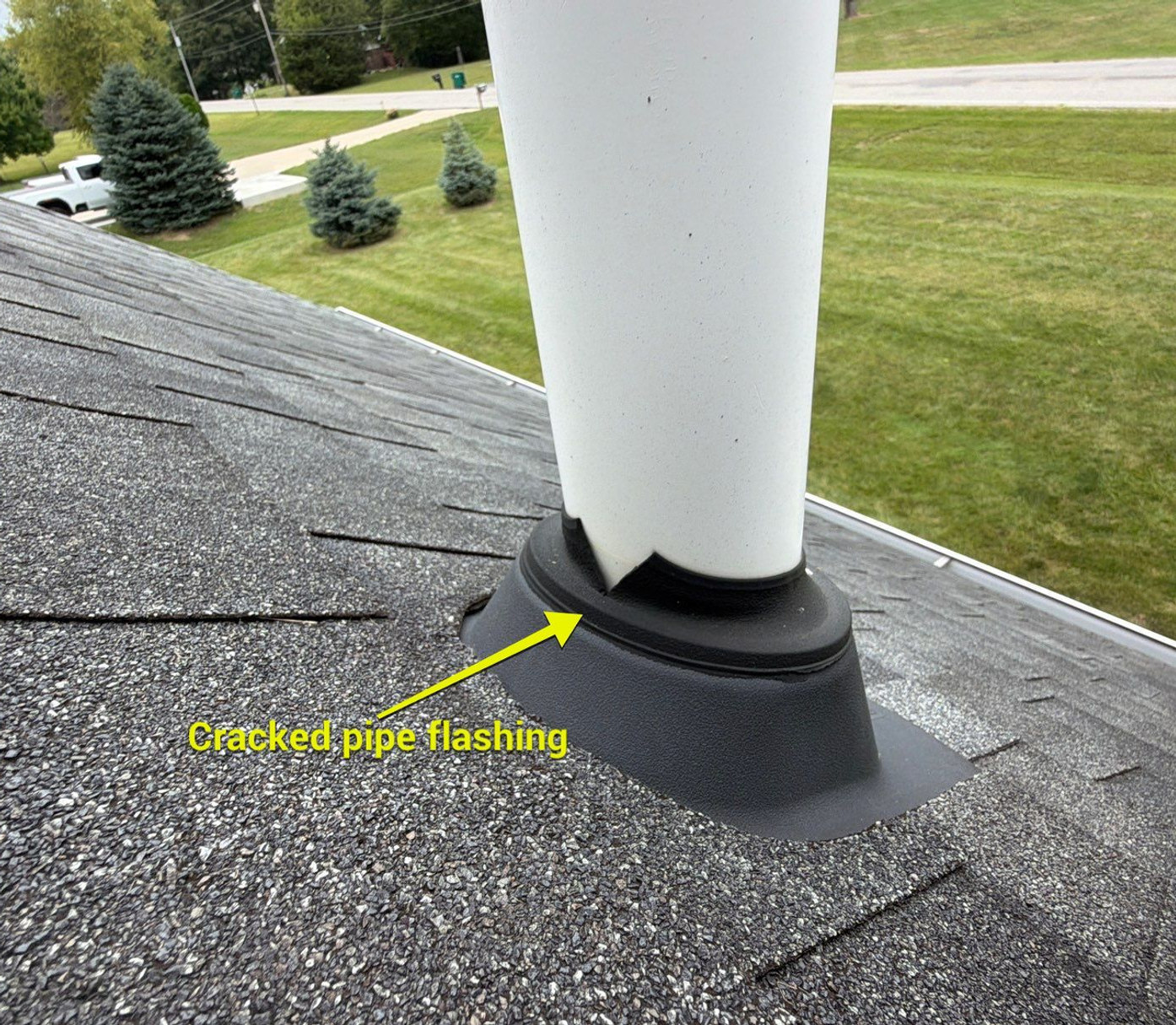
1. Deteriorating Pipe Boots and B-Vents
Symptoms: Look for black rubber collars around your roof pipes that appear chalky, cracked, or torn. Inside, you may see water rings on the ceiling directly below a bathroom or kitchen.
2. Clogged Gutters and Roof Valleys
Falling leaves and pine needles love to congregate in your roof valleys and gutters. If gutters are backed up before the first freeze, water will overflow and freeze into solid blocks of ice, pulling your gutters away from the fascia.
Symptoms: Water spilling over the edges of gutters during autumn rainstorms. Visible piles of leaves sitting in the valleys where two roof slopes meet.
3. Failing Flashing
Flashing is the metal material used to direct water away from critical areas like chimneys, walls, and skylights. If step flashing or kick-out flashing is bent, rusted, or missing entirely, water will infiltrate your walls.
Symptoms: Rusted metal around the base of your chimney, or water stains on your exterior siding just below where the roofline meets an upper wall.
4. Poor Attic Ventilation
A healthy roof needs to breathe. If your soffit vents are blocked or your Owens Corning VentSure ridge vents are compromised, warm, moist air gets trapped in your attic. When winter hits, this moisture creates condensation that rots your roof decking from the inside out and fuels massive ice dams.
Symptoms: Unusually high heating bills, drafty upper floors, or visible frost on the underside of your roof decking when you stick your head in the attic on a cold day.
Actual Repair & Replacement Price Ranges
We believe in honest, educational assessments without the high-pressure sales tactics. If we find issues during your fall inspection, here is what you can generally expect in terms of cost:
Minor to Moderate Repairs: $350 – $950+ This covers standard maintenance like replacing cracked pipe boots, securing a loose B-vent, swapping out a few missing Owens Corning Duration shingles, or resealing essential flashing.
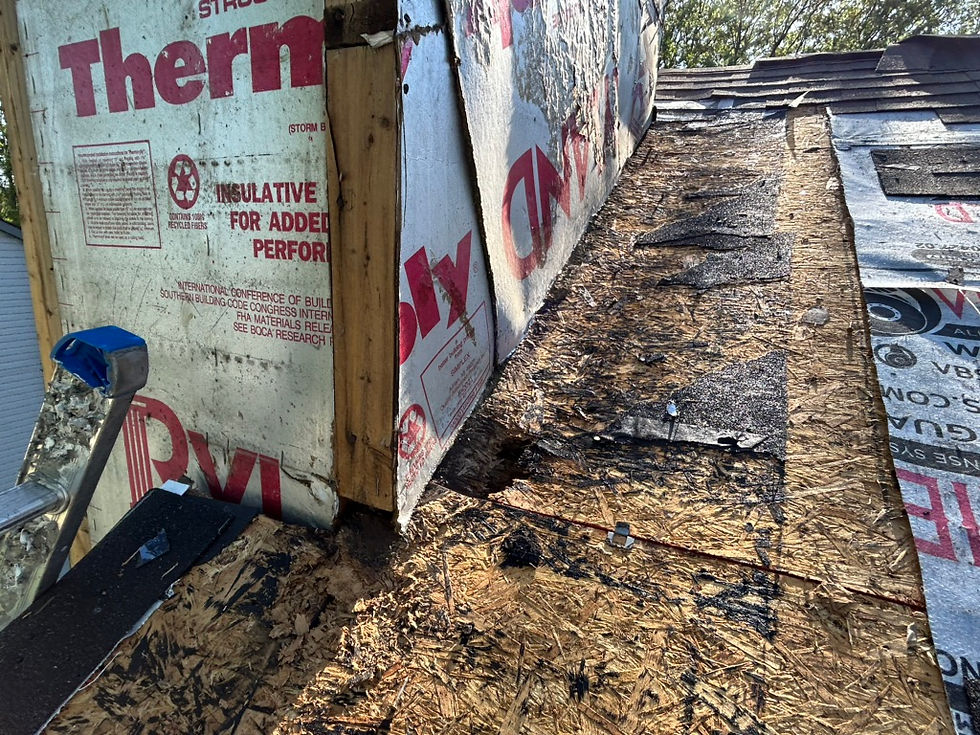
Full Roof Replacement: $8,000 – $18,000+ If your roof is nearing the end of its lifespan or the decking is severely compromised, a full replacement may be required.
Factors That Increase or Decrease the Price:
Size and Pitch: Steeper, more complex roofs (lots of dormers, hips, and valleys) require more
time, safety equipment, and labor.
Material Upgrades: Upgrading from standard architectural shingles to heavy-duty Owens Corning Duration shingles.
Decking Condition: If your plywood decking is completely rotted from years of poor
ventilation, replacing that wood will increase the overall project cost.
Layers of Existing Shingles: Tearing off two layers of old shingles costs more in labor and disposal fees than a single-layer tear-off.
Frequently Asked Questions
How long does a typical fall roof inspection take?
Most residential inspections take about 30 to 45 minutes. Our team will document everything with photos so you get a play-by-play update of exactly what is happening up there.
How long does a typical fall roof inspection take?
Most residential inspections take about 30 to 45 minutes. Our team will document everything with photos so you get a play-by-play update of exactly what is happening up there.
Can I just wait until spring to fix a missing shingle?
We do not recommend it. A missing shingle exposes the underlayment and decking. Once snow sits on that exposed area and slowly melts, it will find its way into your home.
Does a leaky pipe boot mean I need a whole new roof?
Not usually! Pipe boots are common wear-and-tear items that typically need to be replaced every 7 to 10 years, independent of the rest of the roof.
Secure Your Central Indiana Roof Before Winter Hits With A Fall Roof Inspection

Don't wait for a January blizzard to find out your roof is leaking. Ensure your home is watertight for the holidays by scheduling a thorough, honest evaluation with our local experts.
If you live in Greater Indianapolis, Brownsburg, or the surrounding communities, visit www.RoofCoIndy.com or call us at 317.203.9674 to book your fall roof inspection today.