What Actually Happens During a Roof Replacement? | RoofCo

A roof replacement is one of the largest exterior projects most homeowners will take on, but the process should not feel mysterious. If your roof is aging, has widespread storm damage, or can no longer be repaired reliably, a full replacement may be the right next step.
RoofCo replaces aging and damaged roofing systems throughout Greater Indianapolis using premium architectural shingles, with photo and video updates from start to finish. The goal is not simply to install new shingles. It is to evaluate the complete roofing system, address what is underneath, and explain what is happening throughout the project.
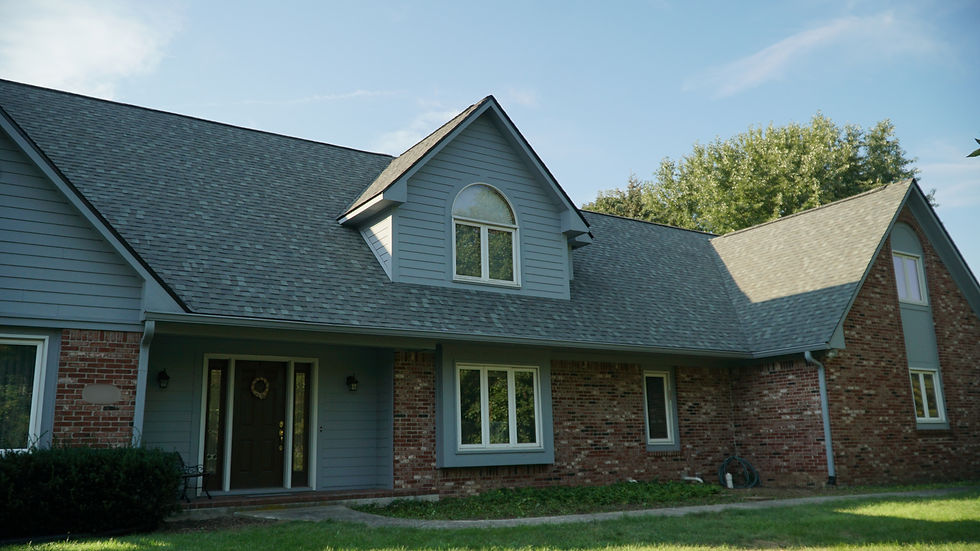
Above is a real RoofCo project showing what homeowners can expect during a
complete asphalt-shingle roof replacement in Central Indiana.
When Does a Roof Actually Need to Be Replaced?
Not every leak, missing shingle, or storm concern means you need a completely new roof.
Localized problems can often be repaired when the surrounding roofing system is still in serviceable condition.
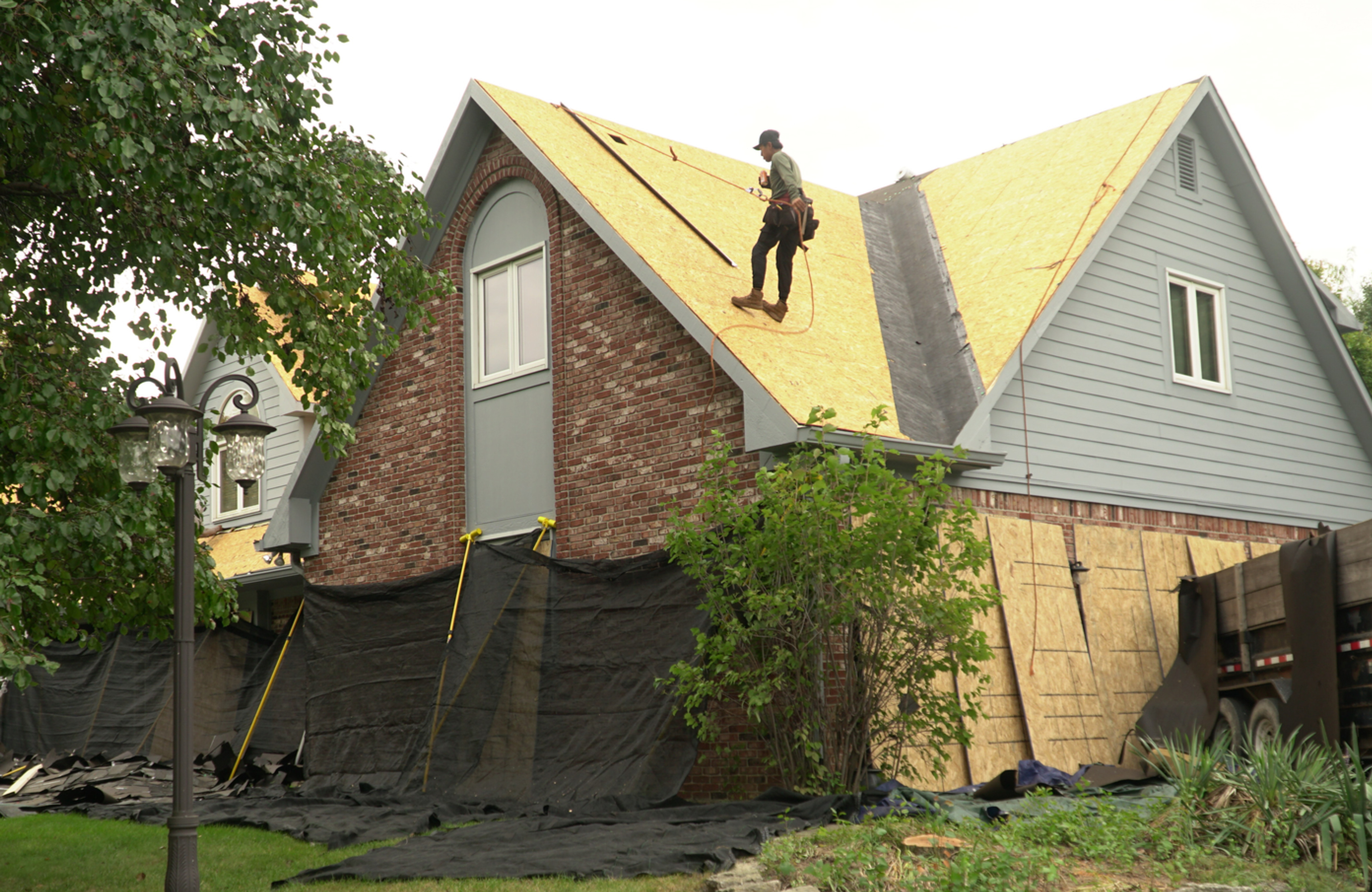
Replacement becomes more likely when damage or deterioration is widespread, the roof has reached the end of its useful life, repeated repairs are no longer practical, or the existing system cannot be restored reliably.
RoofCo starts with an evaluation so the recommendation is based on the actual condition of the roof. The first step is determining whether the home needs a repair, a replacement, or no immediate work at all.
Check out our Roof Repair vs. Replacement blog post for more information.
What Happens During a RoofCo Roof Replacement?
A full replacement removes the existing roofing materials so the structure underneath can be evaluated before the new system is installed. Roof design, weather, access, decking condition, chimneys, valleys, dormers, ventilation, and other details can all affect the scope of the project.
1. Protect the Property and Remove the Existing Roof
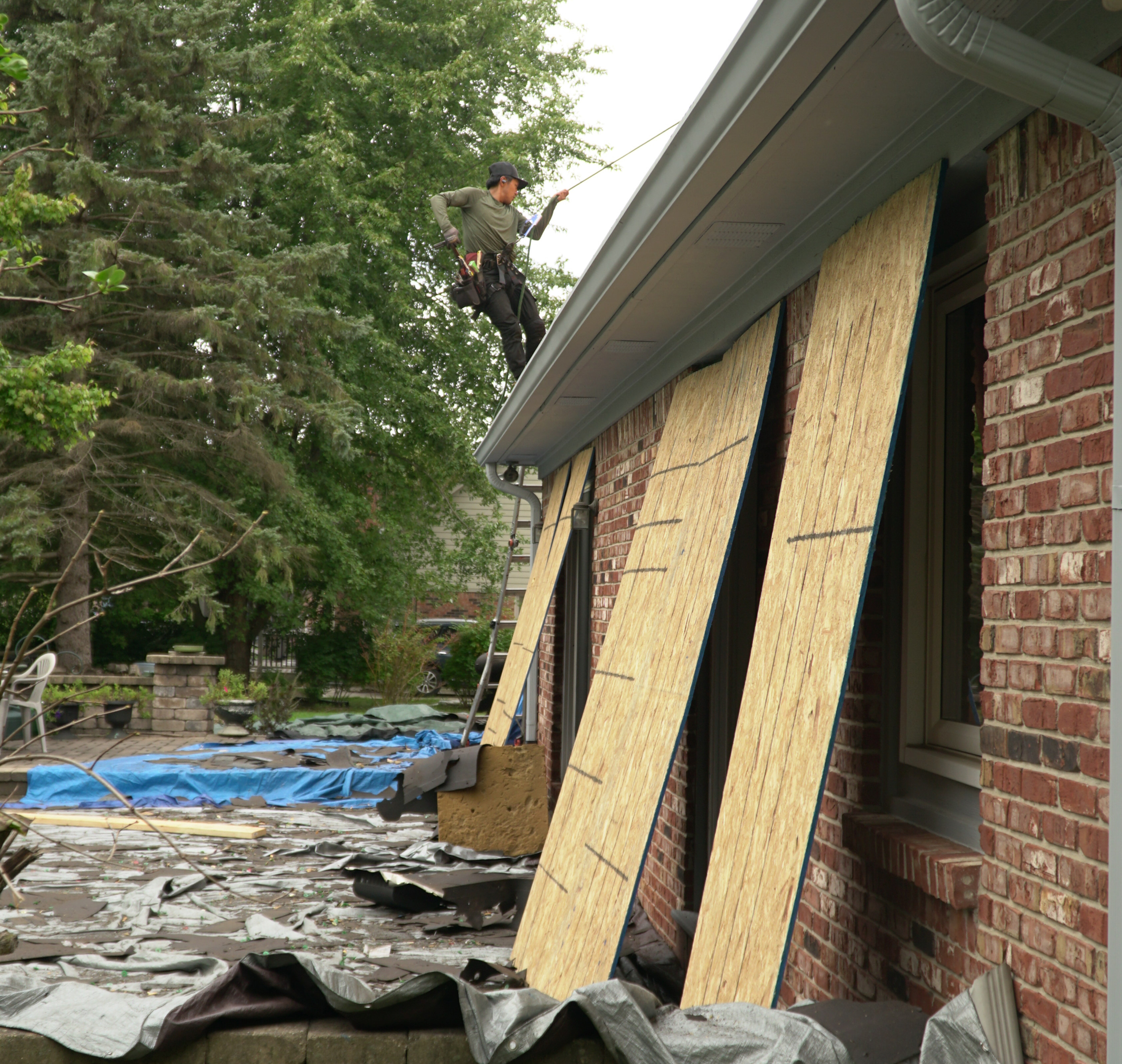
Before tear-off begins, the work area around the home is prepared and vulnerable areas are protected.
Removing the old roofing creates shingles, nails, underlayment, and other debris, so protecting windows, siding, landscaping, and the surrounding property is an important part of the job.
2. Inspect the Roof Deck
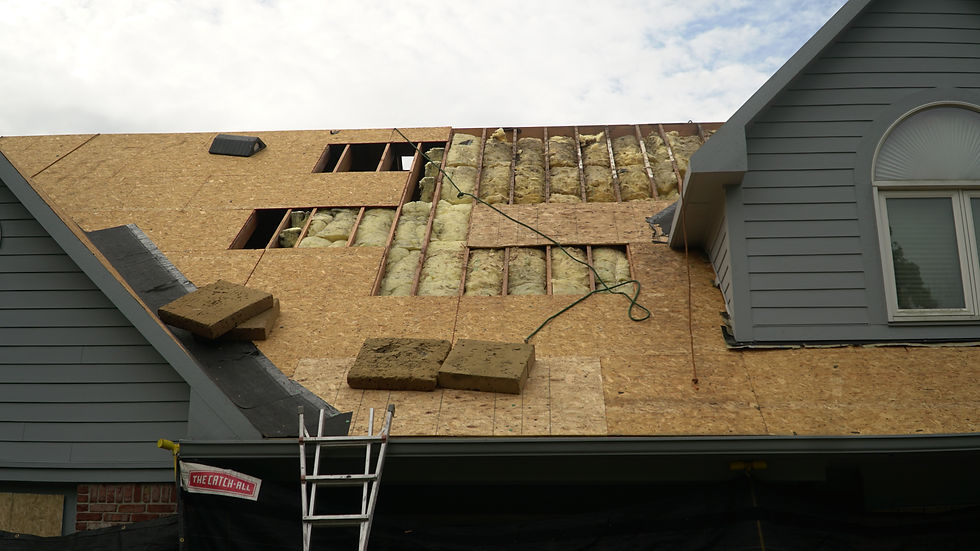
The roof deck is the wood surface that supports the roofing system. Once the old materials are removed, the decking can be checked for soft, deteriorated, damaged, or otherwise unsuitable areas.
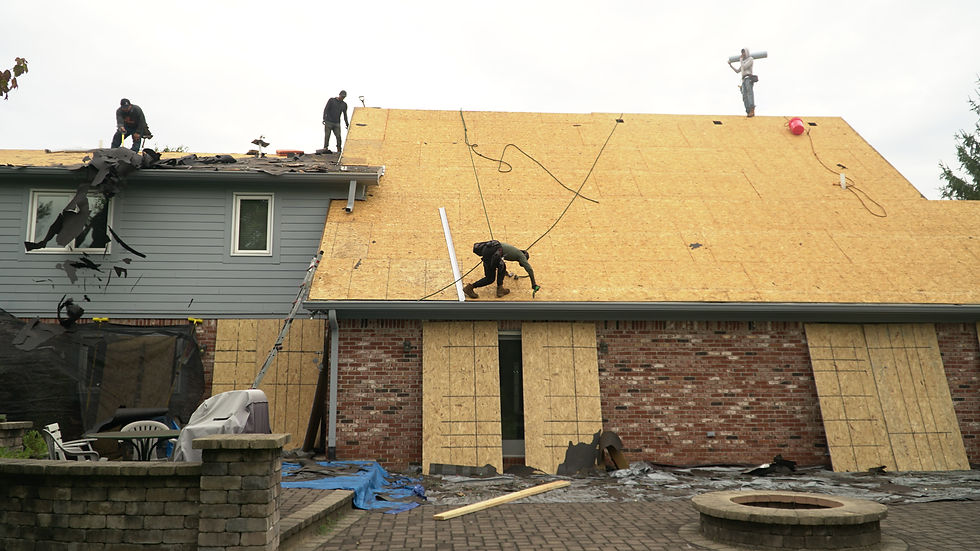
If damaged decking is found, it should be addressed before the new roofing system covers it. A new shingle system depends on a sound surface underneath.
3. Install Ice-and-Water Protection and Underlayment
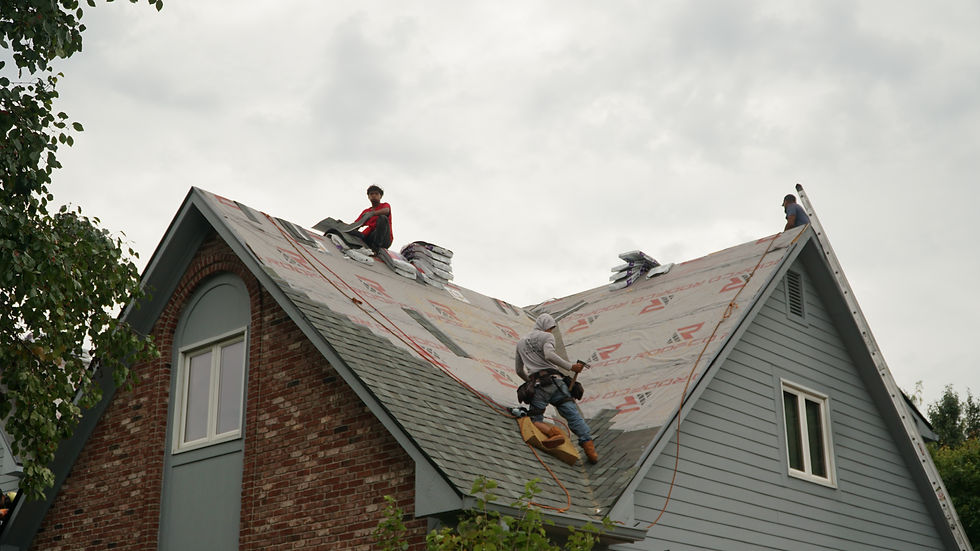
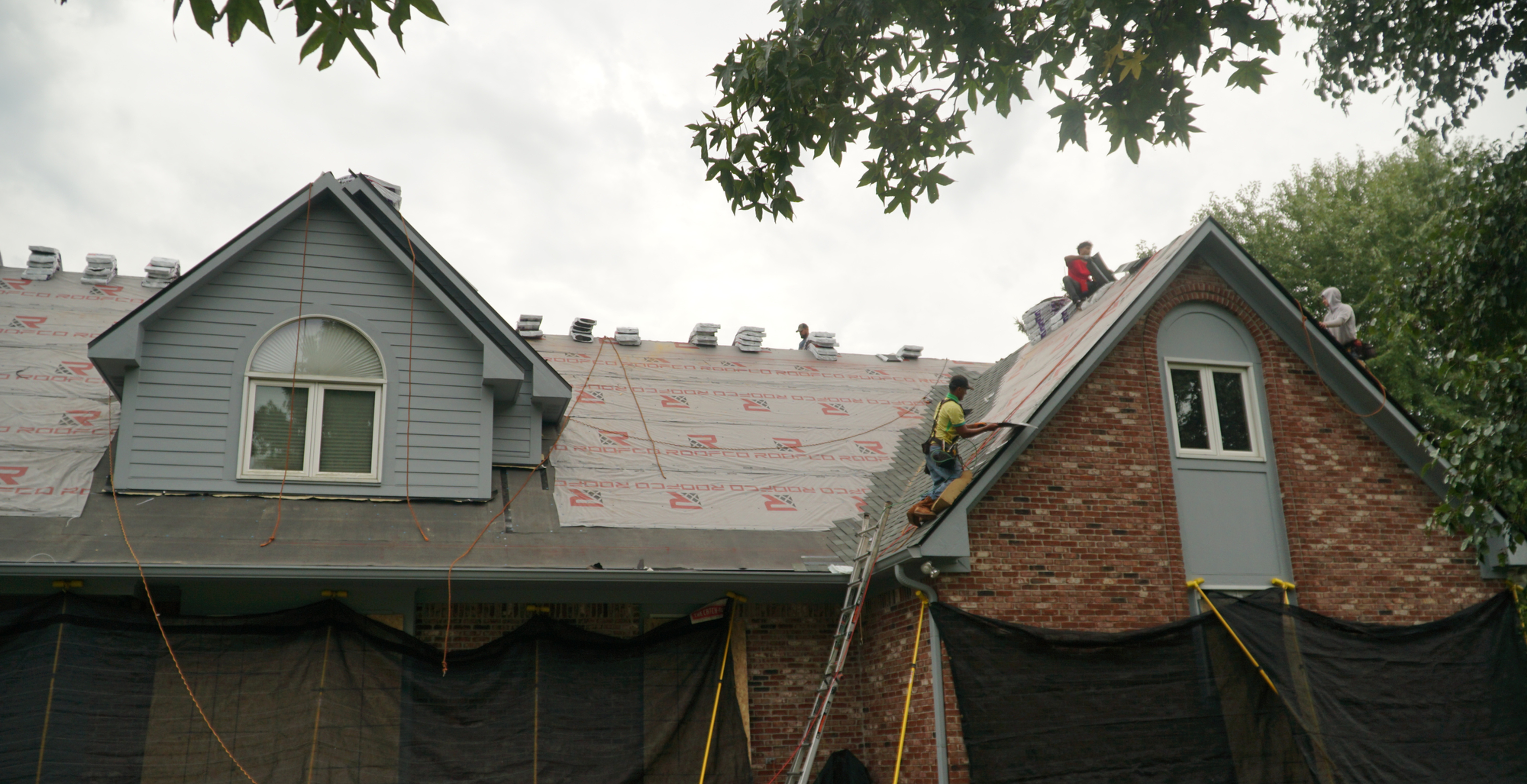
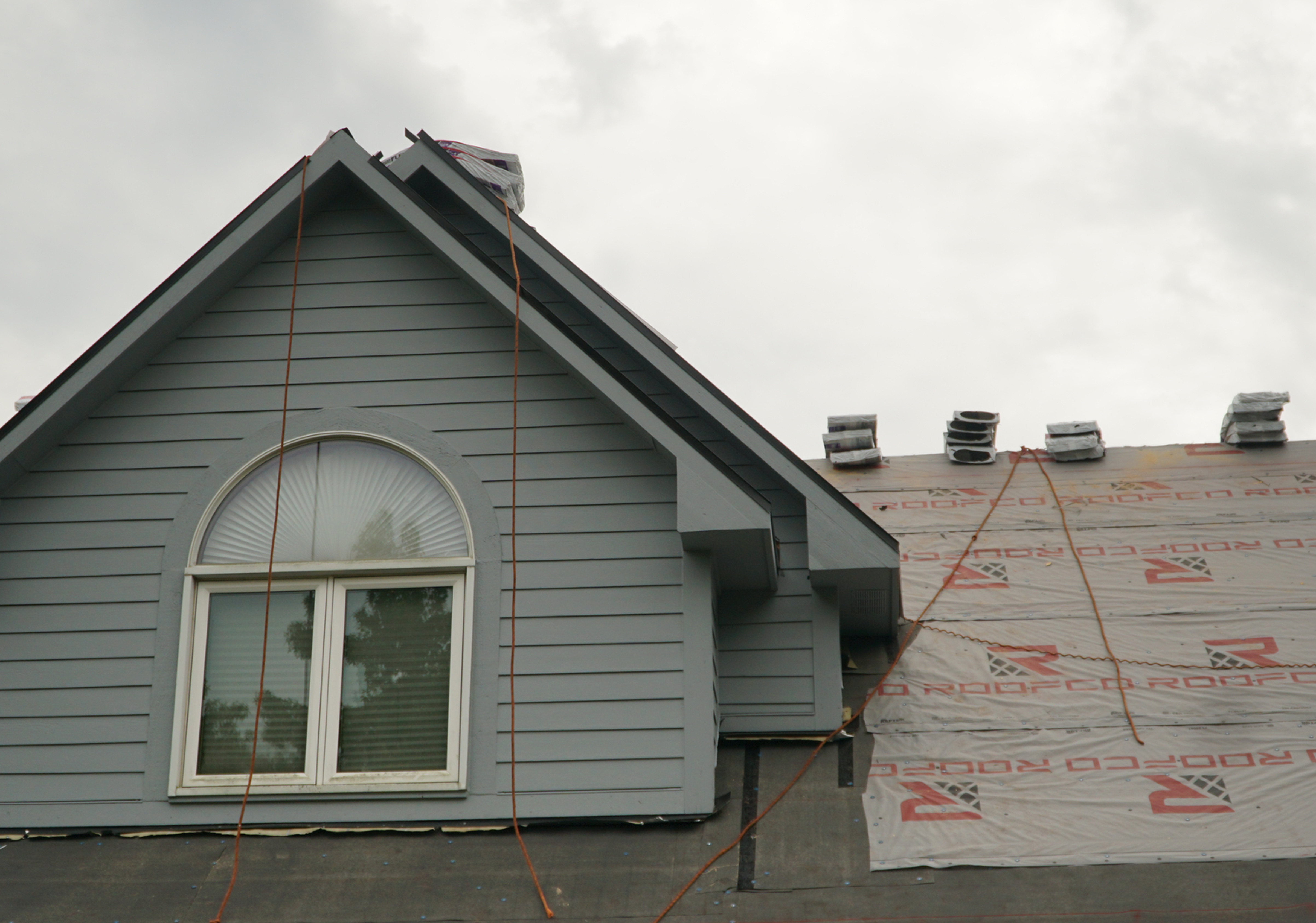
After the deck is ready, protective roofing layers are installed before the shingles. During complete roof replacements, RoofCo installs self-adhering ice-and-water shield membrane at least three feet up from the eave line. This adds a waterproof barrier directly against the roof deck in an area that can be vulnerable to wind-driven rain, snowmelt, and ice dams.
Underlayment then covers the roof deck beneath the finished shingles. On homes with dormers, valleys, chimneys, and intersecting rooflines, these transitions require careful detailing because they manage concentrated water flow.
4. Install the Architectural Shingles and Roof Details
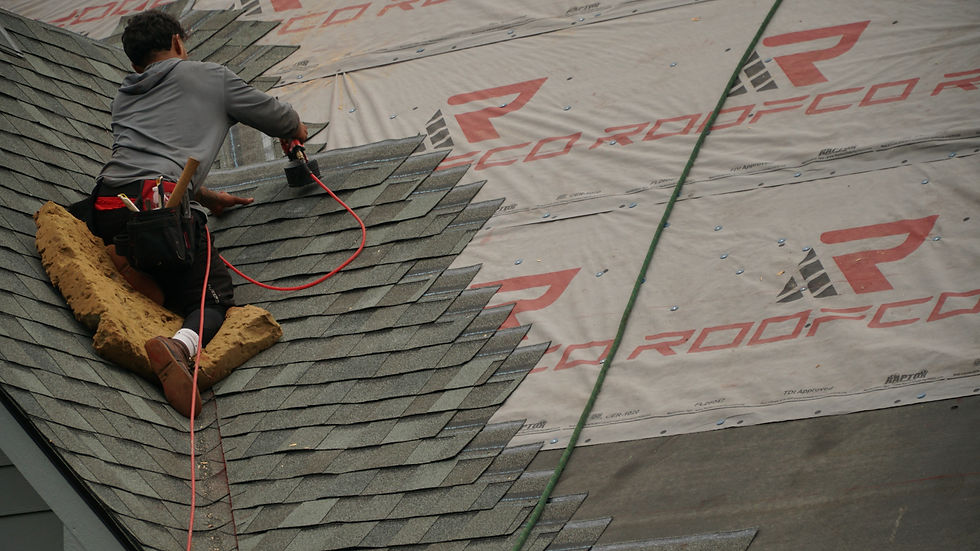
RoofCo uses premium architectural shingles for complete roof replacements.
Shingles are installed in courses from the lower roof edge upward, while the crew works through roof-specific details such as valleys, ridges, chimneys, vents, walls, and other transitions.
The open field of shingles is only part of the system. Areas where roof planes meet or where the roof intersects a chimney or wall need to direct water correctly and integrate with the surrounding roofing materials.
5. Finish the Roof, Clean the Site, and Review the Project
Once the main shingle installation is complete, the final roof details are finished and the site is cleaned. A completed roof should look consistent from the street, but the details at the ridges, valleys, dormers, roof edges, and chimney are just as important as the large shingle areas.
What RoofCo Homeowners Receive Before, During, & After the Project
RoofCo's approach is built around showing homeowners what is happening instead of asking them to take our word for it.
You will receive:
Detailed roof videos that show the condition of the roofing system and areas of concern.
Labeled and annotated photos so findings are easy to understand.
A digital summary with the written condition of the roof and estimates for work that may be needed.
Photo and video updates and clear, play-by-play communication throughout the project.
Before work begins, the evaluation documentation helps homeowners understand the condition of the roof and the available options. During the project, RoofCo continues that same emphasis on clear photo, video, and play-by-play updates from start to finish.
Check out our blog What To Expect During an Evaluation, for more detailed information.
What Affects the Cost of a Roof Replacement?
A typical asphalt-shingle roof replacement in the Indianapolis area costs approximately $12,000 to $15,000
Factors that can affect the final project include:
Total roof size and pitch
Roofline complexity
Number of valleys and/or dormers
Condition of the roof decking after tear-off
Flashing and chimney details
Ventilation requirements
Material selection
Access and jobsite conditions
Any storm-related or pre-existing damage discovered during the evaluation
A project-specific evaluation is the best way to understand what your roof actually needs and what the work will cost.
FAQs — Roof Replacement
Can a roof be repaired instead of fully replaced?
Yes. If damage is localized and the surrounding roofing system is still serviceable, a targeted repair may be the better option. RoofCo evaluates the roof first rather than treating every concern as a replacement project.
How long does a roof replacement take?
The timeline depends on roof size, pitch, complexity, weather, access, and whether decking repairs or other unexpected conditions are found after tear-off. A straightforward roof can move faster than a home with multiple valleys, dormers, chimneys, or structural repairs.
What happens if damaged decking is found?
Damaged or unsuitable decking will be addressed before the new roofing system is installed over it. The deck is the structural surface that supports the underlayment and shingles.
Does RoofCo install ice-and-water shield during a replacement?
Yes. RoofCo installs self-adhering ice-and-water shield membrane at least three feet up from the eave line during complete roof replacements.
Will I receive photos or updates during the project?
Yes. RoofCo emphasizes photo and video documentation and provides clear, play-by-play updates so homeowners can see what is happening throughout the process.
Does storm damage automatically mean I need a new roof?
No. The correct solution depends on the extent of the damage, its location, and the condition of the surrounding roofing system. Some storm damage can be repaired; more widespread damage may make replacement the better long-term option.
Ready to Evaluate Your Roof?
Whether your roof is aging, leaking, missing shingles, or has been through a recent Central Indiana storm, the first step is finding out what condition it is actually in.
Whether the right solution is a targeted repair or a complete replacement, RoofCo is here to help.
We provide clear evaluations, documented findings, and play-by-play updates throughout the entire process.
If you are located within our Central Indiana service area, schedule a professional roof evaluation online or call our office at 317.203.9674 to get started.

