The Central Indiana Homeowner’s Guide to Exterior Trim Repair and Replacement

Exterior trim, specifically your fascia and soffit, seals your roofline and protects your home from water, pests, and structural damage. If you notice peeling paint, soft wood, or sagging gutters, your trim needs professional attention to prevent larger roof leaks. This guide explains how to spot early signs of needing exterior trim repair, compare replacement materials, and secure your Central Indiana home against the elements.
Understanding Your Exterior Trim: Fascia and Soffit
When roofing professionals discuss exterior trim, they are primarily referring to the structural boards that finish the edge of your roofline. While they add visual appeal to your home, their main job is defense.
The fascia is the long, straight board running horizontally along the lower edge of the roof. It serves as the mounting point for your gutters and is the final barrier between the outside elements and the exposed edges of your roof deck. Because it faces outward, it takes a direct beating from rain, snow, and UV rays.
The soffit is the exposed surface beneath the overhang of the roof. It bridges the gap between your exterior siding and the roofline. Beyond keeping weather and pests out of your rafters, vented soffit panels provide vital air intake for your attic ventilation system.
4 Signs Your Exterior Trim Needs Immediate Attention
Because your roofline is high off the ground, trim damage frequently goes unnoticed until it becomes a severe problem. Perform a visual inspection of your home’s perimeter a few times a year and look for these four indicators.
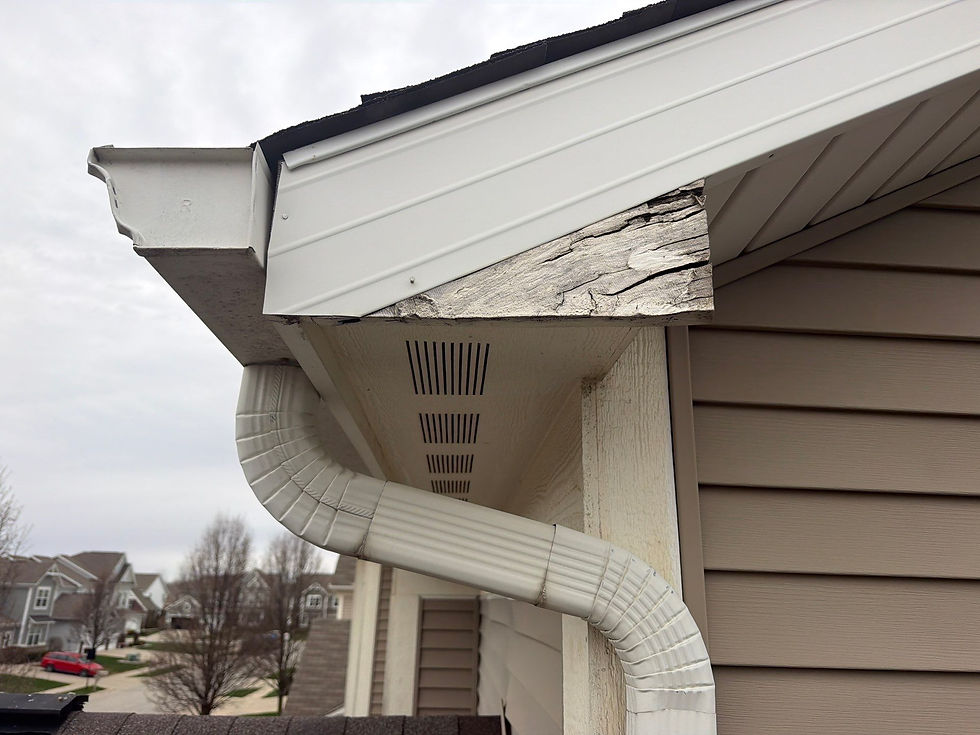
1. Peeling Paint and Soft, Spongy Wood
Paint failure is usually the first visible sign of water infiltration. As traditional wood trim absorbs moisture, it expands and contracts, causing the protective layer of paint to bubble, crack, and peel. If you see peeling paint, gently probe the underlying wood with a screwdriver. If the wood feels soft, spongy, or crumbles easily, moisture has bypassed the surface and rot has set in.
2. Sagging or Detached Gutters
Your gutters carry hundreds of pounds of water during heavy Central Indiana downpours. They are anchored directly to your fascia boards. If the fascia wood begins to rot, the fasteners holding the gutters will lose their grip. Sagging gutters, or gutters visibly pulling away from the side of the house, are strong indicators that the underlying fascia is compromised and needs replacement.
3. Unwanted Pest Intrusion
Insects, birds, bats, and squirrels are constantly looking for warm, dry places to build nests. Rotted fascia and damaged soffit panels create easy entry points into your attic. If you hear scratching noises above your ceiling or see wasps actively flying into gaps along your roofline, your exterior trim is failing to keep nature outside.
4. Moisture and Poor Ventilation in the Attic
Failed trim allows water to wick directly into your rafter tails and attic space. Check your attic for water stains, dark mold growth, or damp insulation near the edges of the roof. Furthermore, if your soffit vents are clogged with paint, dirt, or debris, your attic cannot “breathe” properly. Poor ventilation traps heat and moisture, which bakes your shingles from the inside out and drastically reduces your roof's lifespan.
Exterior Trim Repair Materials: Choosing What Works Best in Central Indiana
Central Indiana experiences intense weather shifts. From humid, 90-degree summer afternoons to freezing ice storms in January, your trim materials must endure constant thermal expansion and contraction.
Traditional Wood Trim
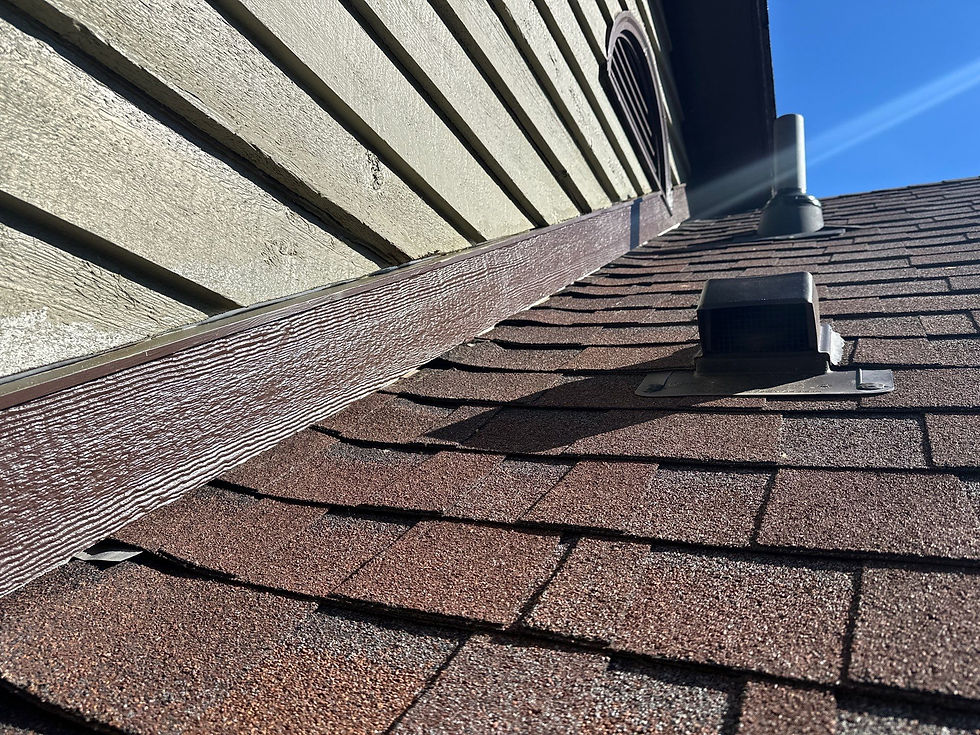
Wood trim, usually milled from pine or cedar, offers a classic, natural aesthetic. However, it demands rigorous ongoing maintenance. Every exposed cut must be thoroughly sealed, and the boards
require regular scraping and repainting to repel moisture. In our climate, neglected wood trim is highly susceptible to rapid rot.
Aluminum Wrap
Many homeowners opt to have their existing wood trim wrapped in aluminum coil stock. Aluminum is rust-resistant, holds paint well, and lowers surface maintenance. A precisely shaped layer of aluminum protects the wood underneath from direct rain. However, if water gets behind the aluminum wrap—often from a leaking gutter or ice dam—it traps condensation against the wood, accelerating hidden rot.
Cellular PVC Trim
For most modern exterior applications, cellular PVC trim is a highly recommended long-term solution. PVC trim does not absorb water, meaning it will never swell, crack, or rot. It handles extreme temperature swings gracefully and is impervious to insect damage. While the upfront material cost is slightly higher than raw wood, PVC is incredibly cost-effective over its lifespan because it eliminates the endless cycle of scraping, repainting, and replacing rotted boards.
Repair vs. Replacement: Making the Right Choice
Deciding to patch a small area or replace the entire roofline depends on the scope of the decay.
If the damage is isolated—such as a single fascia board damaged by a falling tree branch—a targeted repair is a practical solution. A professional can cut out the damaged section and install a seamless patch.
However, if you are experiencing widespread paint peeling, structural rot on multiple sides of the house, or chronic moisture in your attic, a full trim replacement is the most secure investment. Patching an extensively rotted roofline is a temporary bandage that leaves your roofing and gutter systems at risk of total failure.
Frequently Asked Questions About Trim Repair
Can I replace my fascia without replacing my entire roof?
Yes. Fascia and soffit can typically be replaced without conducting a full roof replacement. However, the contractor must carefully integrate the new boards with your existing drip edge and underlayment to maintain a watertight seal.
Does damaged soffit affect my energy bills?
Yes. If your vented soffits are damaged, blocked, or covered incorrectly, your attic cannot draw in cool, fresh air. This forces your air conditioning system to work much harder to cool your home during the summer, driving up your energy costs.
How long does a trim replacement take?
Most residential trim repair and replacement projects take only one to three days, depending on the size of the home and the extent of the underlying wood rot.
Secure Your Roofline with RoofCo
Protecting your home starts by maintaining a watertight exterior envelope. The team at RoofCo is dedicated to providing honest, educational assessments without any high-pressure sales tactics. We provide play-by-play updates throughout the entire inspection and repair process so you always know the exact status of your home.
If you live in Greater Indianapolis or a surrounding Central Indiana community, do not let rotted trim threaten your roofing system. Visit us at https://www.roofcoindy.com or call us at 317.203.9674 to schedule a professional evaluation today.