How to Check Your Roof for Hail Damage After an Indianapolis Storm

Updated: Sep 23
After a hailstorm in Indianapolis, safely check your property from the ground for dents in gutters or downspouts, damaged siding, shingle debris, missing shingles, and granules collecting near downspouts.
Hail damage on the roof itself can be difficult to identify without getting on the roof, so a professional roof evaluation is the safest way to determine whether the shingles were actually damaged.

Severe storms can move through Central Indiana quickly, and once the weather clears, homeowners are often left wondering whether the hail actually damaged their roof.
The tricky part is that hail damage isn't always obvious from the ground. A roof can look relatively normal while individual shingles have impact marks or damage that may shorten their useful life.
Based on RoofCo's experience in Central Indiana, there are several ways homeowners can find hail damage on their roof in Indianapolis, Brownsburg, and surrounding communities can safely look for after a hailstorm before scheduling a professional roof evaluation.
1. Start With the Ground Around Your Home
Before looking at the roof, walk around your property. Hail that was strong enough to damage roofing materials may also leave evidence on other parts of the home.
Look out for:
Pieces of shingles in the yard
Heavy granule accumulation near downspouts
Damaged plants or landscaping
Dents in outdoor metal surfaces
Broken screens or other visible storm damage
Dents on mailbox
Damage to fences
These signs don't automatically mean the roof is damaged, but they can indicate that your property experienced significant hail.
2. Check Your Gutters and Downspouts
Gutters and downspouts can provide helpful clues after a hailstorm.
From the ground, look for visible dents or impact marks in metal gutters and downspouts. You may also notice an unusual amount of shingle granules collecting near the bottom of your downspouts.
Asphalt shingles naturally lose some granules over time, so granules alone don't prove hail damage. However, a noticeable increase immediately after a storm is worth investigating.
3. Look for Missing or Lifted Shingles
Hail is often accompanied by strong winds, which means the storm may cause more than one type of roof damage.
From the ground, look for:
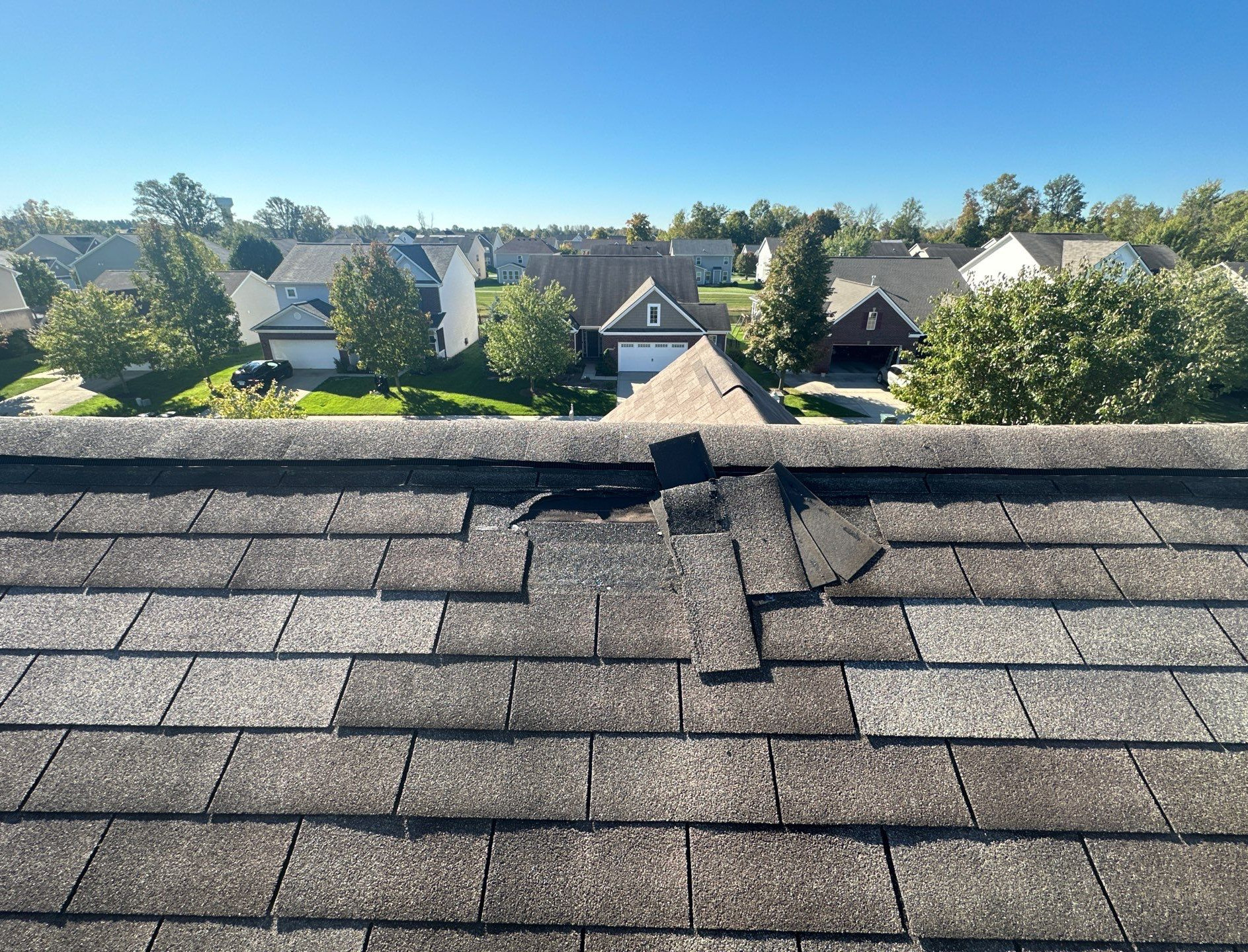
Missing shingles
Sections of roof that appear a different color
Lifted or folded shingles
Damaged ridge-cap shingles
Shingle pieces on the ground
RoofCo notes that missing shingles leave areas where wind and rain can enter the roofing system, potentially leading to damaged decking or interior leaks.
4. Look for Damage to Siding, Screens, and Exterior Metal
Sometimes the easiest evidence of a hail event isn't on the roof at all. Walk around the house and look for dents or impact marks on:
Aluminum gutters
Downspouts
Metal vents
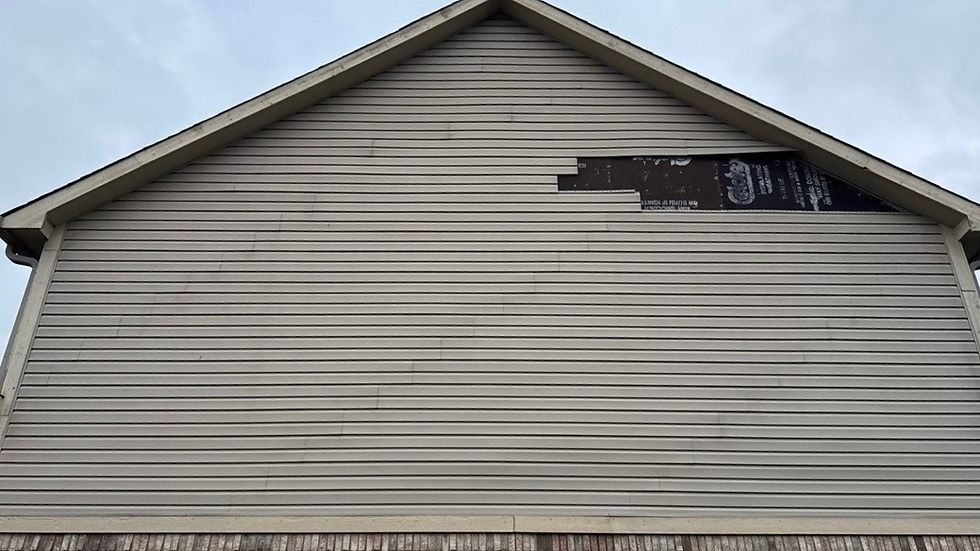
Siding (Cracked/Broken)
Window screens
Exterior trim
Damage on several different surfaces can help show how much force the storm brought to your property. BUT, it still doesn't tell you exactly what happened to the shingles, which is why the next step is important.
5. Don't Try to Diagnose Shingle Damage From the Ground
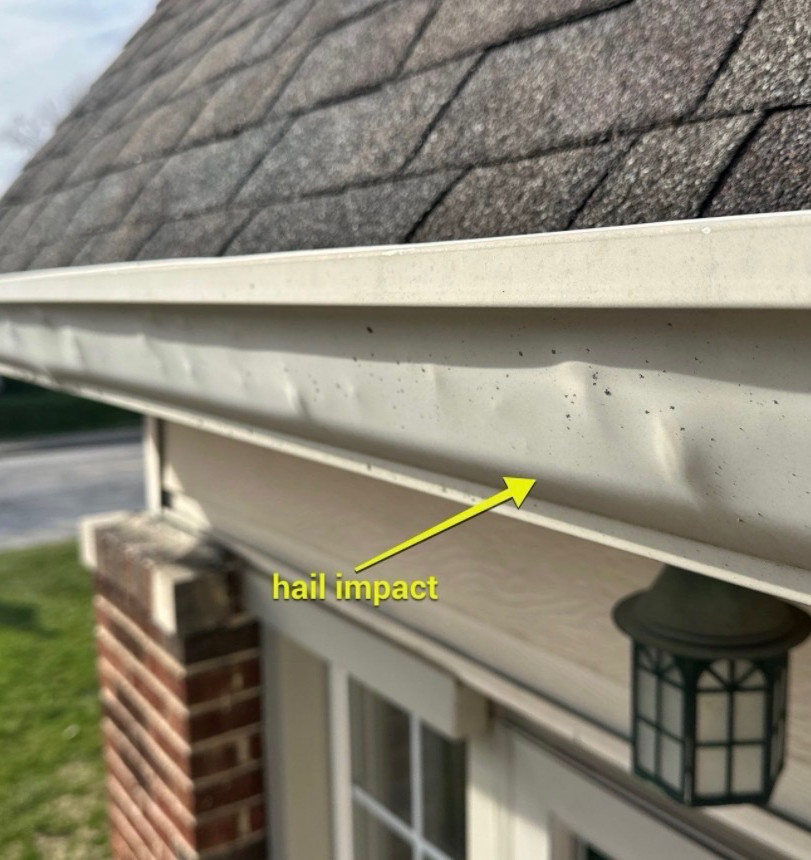
Actual hail damage to asphalt shingles can be much harder for a homeowner to identify.
Depending on the roofing material and severity of the impact, a trained roofing professional may look for areas where hail has affected the shingle surface, displaced granules, or compromised the material beneath them.
The important distinction is that not every mark on a roof is hail damage. Normal wear, blistering, foot traffic, manufacturing characteristics, fallen debris, and other conditions can sometimes be mistaken for storm damage.
That's why RoofCo recommends evaluating the entire roofing system rather than making a decision based on one questionable mark.
6. Check the Attic if You Can Access It Safely
After a major storm, it's also worth checking inside the attic if it is safely accessible.
Look out for:
New water stains
Damp roof decking
Wet insulation
Active dripping
Water around roof penetrations
Keep in mind that the absence of a leak does not necessarily mean the roof wasn't damaged during the storm. Some storm-related problems don't create immediate interior water intrusion.
7. Take Photos Before Cleaning Up
If you see obvious exterior damage, take pictures before removing debris or making temporary repairs.
Photograph things like:
Hailstones, if any remain
Dented gutters or downspouts
Damaged siding
Missing shingles
Fallen branches
Interior water stains
This gives you a record of what your property looked like immediately after the storm.
Most importantly, don't climb onto a wet, steep, or potentially damaged roof to get those photographs.
What Happens During a Hail Damage Roof Inspection?
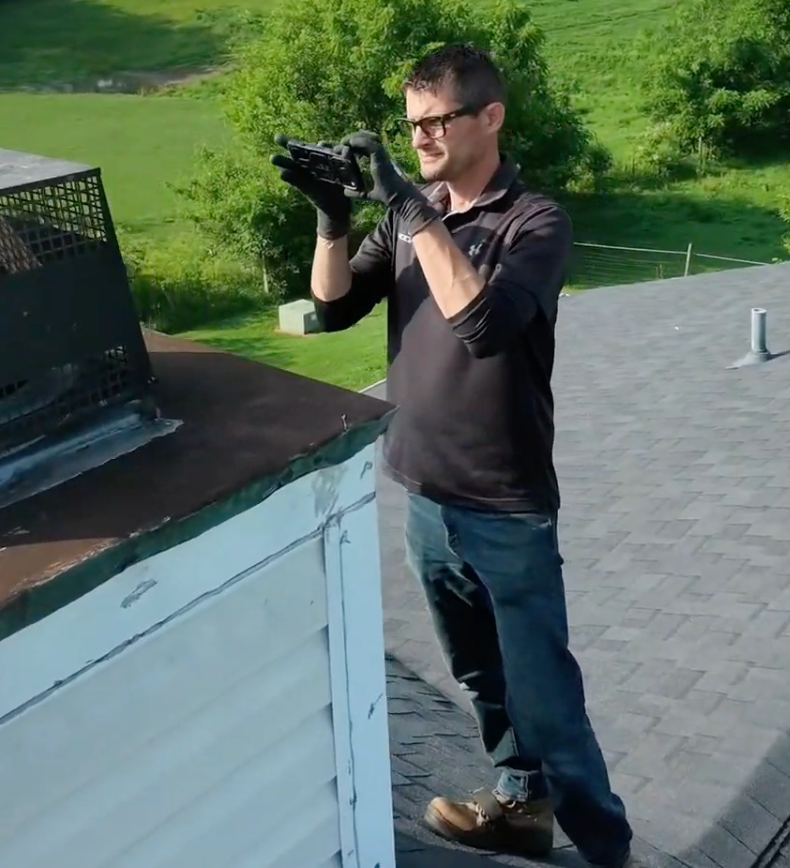
During a RoofCo roof evaluation, the goal is to determine what actually happened to the roofing system, rather than assuming that every home in the storm's path needs a new roof.
A professional evaluation may include checking:
Shingle surfaces
Missing or lifted shingles
Ridge cap shingles
Roof vents and other metal components
Flashing
Gutters and downspouts
Roof penetrations
Accessible attic areas when appropriate
RoofCo also uses project photographs and inspection documentation to help homeowners see what was found. RoofCo's current repair process includes an on-site diagnosis followed by photographs and an assessment before repairs are scheduled.
Can Hail Damage Be Repaired, or Do I Need a New Roof?
It depends on the extent and location of the damage and the overall condition of the roof.

A limited area of storm damage may sometimes be repairable. For example, RoofCo's published pricing for missing or wind-damaged shingle repairs currently starts around $350 and can reach several thousand dollars, depending on the number of shingles involved, roof steepness, and repair risk.
More widespread damage may make roof replacement the better solution.
RoofCo does not publish one universal replacement price because roof size, pitch, materials, complexity, decking condition, ventilation, flashing details, and other factors all affect the scope of a full roof replacement.
What can increase the cost?
Larger or steeper roofs
Widespread storm damage
Damaged roof decking
Complex rooflines
Difficult access
Additional flashing or ventilation work
Multiple damaged areas
What can lower the cost?
Damage limited to a repairable section
Easy roof access
Sound decking underneath
A straightforward roof design
Roofing materials that can still be properly matched and repaired
The best first step is determining whether damage exists and how extensive it actually is.
Should I Have My Roof Checked After Every Hailstorm?
Not every small hail event requires emergency roofing work. Small sized hail (such as marble or quarter sized) rarely damages asphalt shingles.
Typically, hail over 1" in diameter will be able to damage asphalt shingles.
However, if your area experienced significant hail and you notice dents, missing shingles, granule loss, exterior damage, or other changes to your home, scheduling an evaluation can give you a clearer picture of the roof's condition.
For homeowners in Indianapolis and Brownsburg, having the roof evaluated soon after a significant storm can also make it easier to remember when the damage occurred and document its condition.
Frequently Asked Questions: Hail
Can I see hail damage from the ground?
Sometimes, but not always. You may see missing shingles, dents in gutters, or exterior damage from the ground, while actual shingle impact damage can be harder to identify.
Does hail damage automatically mean I need a new roof?
No. The appropriate solution depends on the amount of damage, where it occurred, and the condition of the surrounding roofing system.
Will my roof leak immediately if hail damaged it?
Not necessarily. Some storm damage can exist without causing an immediate interior leak.
Should I climb onto my roof to check for hail damage?
No. Roofs can be slippery or unstable after a storm. A professional evaluation is safer and provides a more complete assessment.
What should I do if shingles are missing after the storm?
Have the area evaluated promptly. Missing shingles expose the roofing system to additional wind and rain. RoofCo currently offers targeted missing-shingle repairs when the surrounding roof is still repairable.
Think Your Indianapolis Roof Was Damaged by Hail?
RoofCo provides storm-damage roof evaluations throughout Indianapolis, Brownsburg, and Greater Indianapolis.
If hail recently moved through your neighborhood, we can inspect the roofing system, document what we find, and explain whether the roof needs a repair, replacement, or no immediate work at all.
Or call 317-203-9674.